Janitorial Subservice - Floor Restoration

Commercial Strip and Wax Services in MA & CT

Home / Services / Janitorial / Strip and Wax Services

Strip and wax floor restoration for VCT and resilient floors in offices, schools, healthcare-adjacent sites, retail, and multi-tenant properties across Massachusetts and Connecticut. We remove worn finish, rebuild protection with multi-coat applications, and document quality so floors look clean, protected, and presentation-ready.

VCT & Resilient Floors Finish Removal + Rebuild Multi-Coat Protection Documented QA

This page is focused on restorative floor care. Need ongoing daily/weekly janitorial routines? See Office Cleaning Services. Need daytime touch-up support? See Day Porter Services. Need full janitorial scope options? See the janitorial umbrella page.

Photos

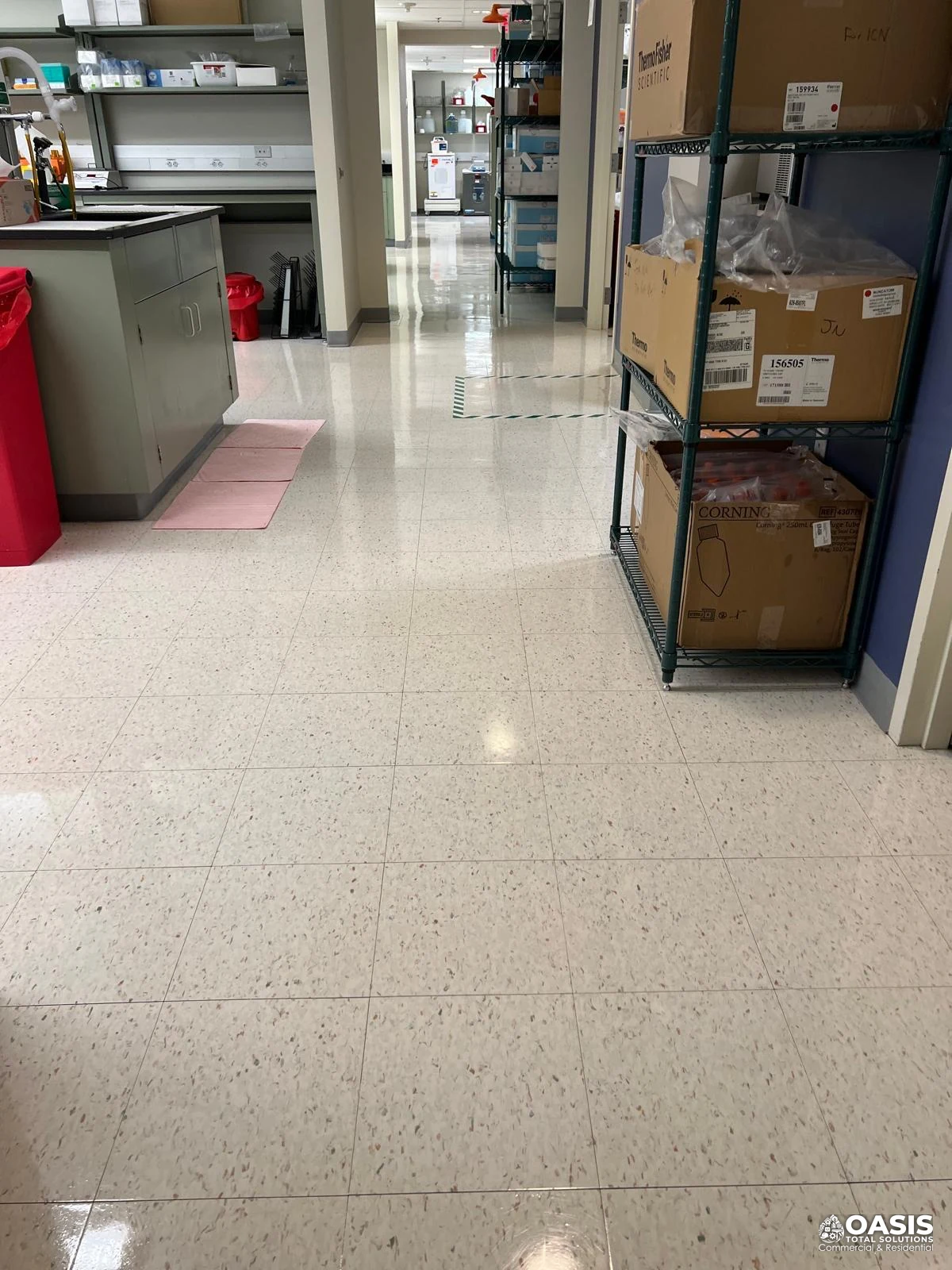
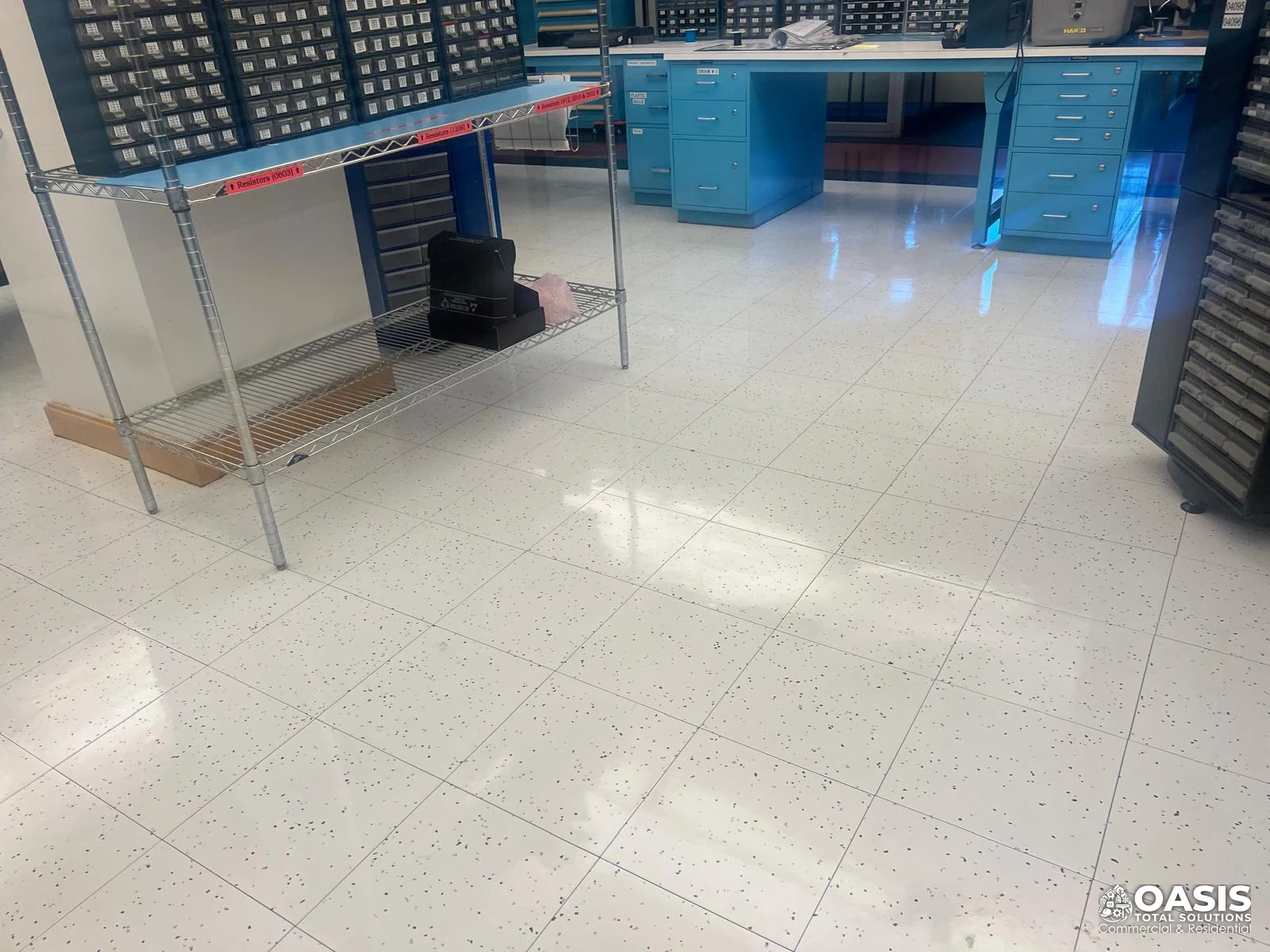
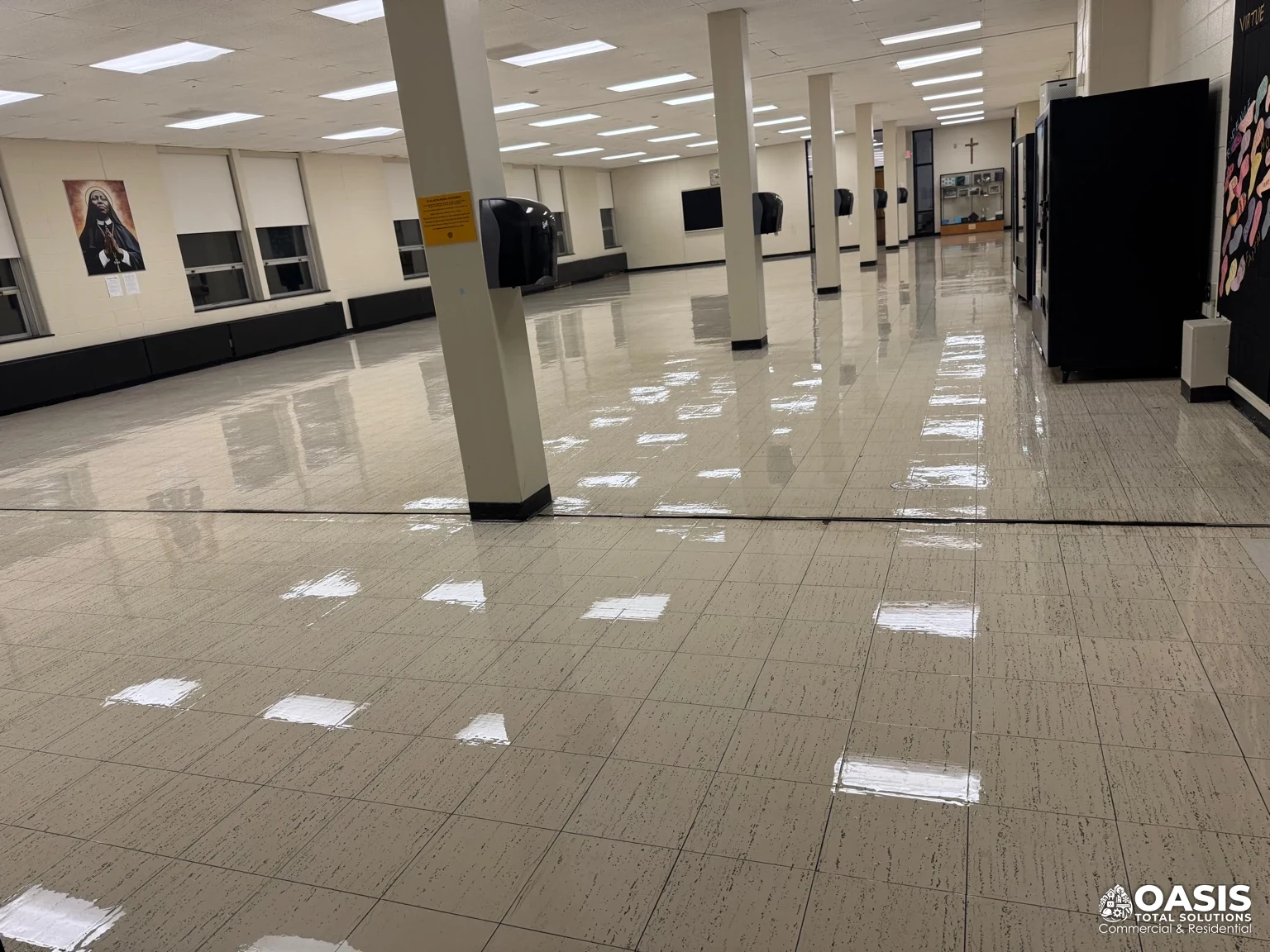
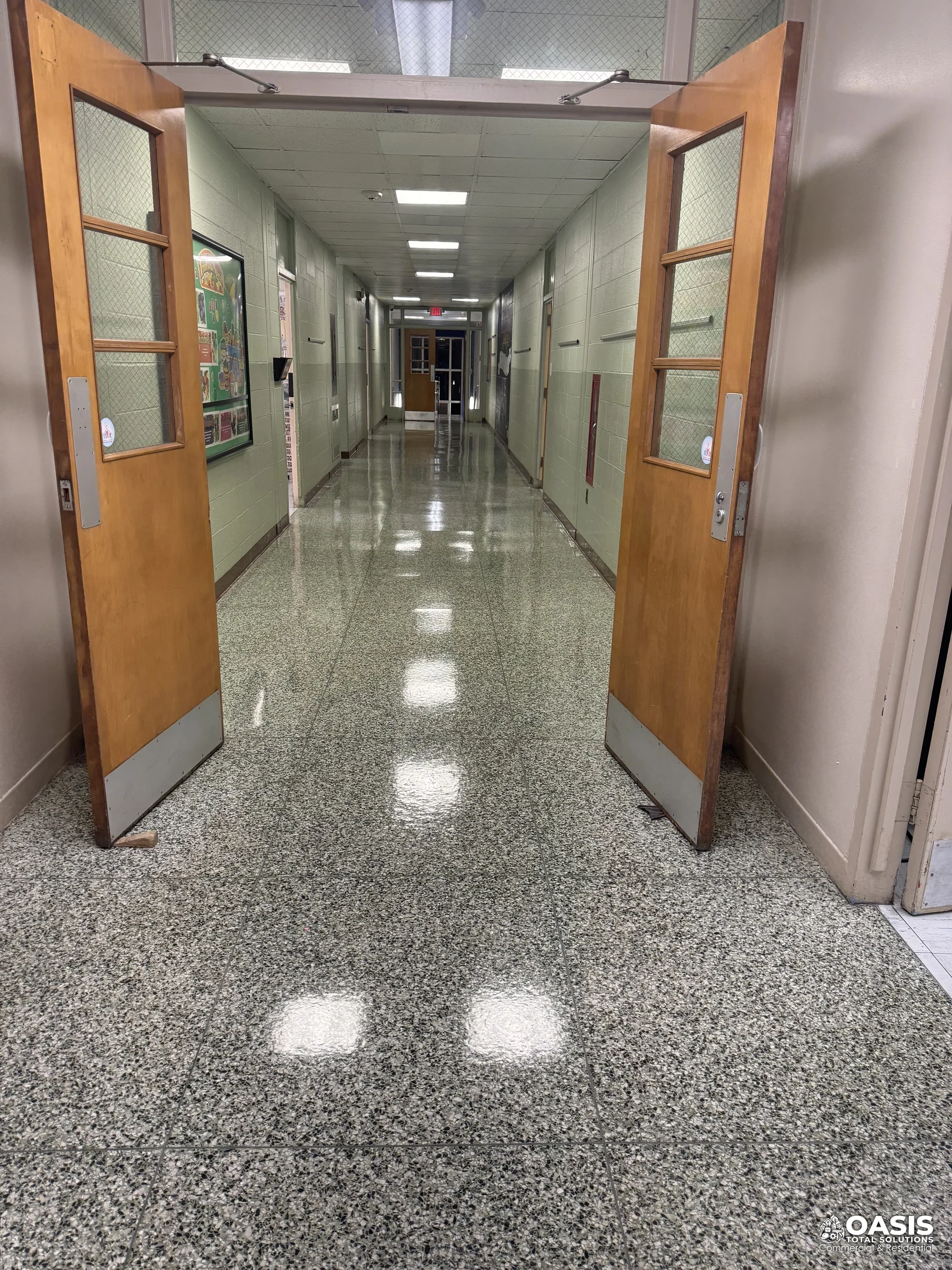
Strip and wax floor restoration results

Real floor-care examples from Oasis teams, including VCT corridor restoration, finish rebuilds, and presentation-focused results in active facilities.
Why Facilities Teams Choose Us

Strip and wax done with restoration-grade consistency

A quality strip and wax project is not just visual shine. It is chemical control, consistent finish build, safe return-to-service timing, and documented quality that holds up in real traffic.

One accountable floor-care partner

One point of contact owns scope, sequencing, site coordination, and closeout documentation so your team is not managing multiple crews for one floor project.

Process control from strip to finish

We control each phase: prep, stripping, slurry pickup, neutralization, dry verification, finish coats, and burnish. That consistency is what protects results over time.

QA your team can verify

Inspection checkpoints, photo documentation, and closeout notes help facility and operations teams confirm finish quality, appearance standards, and next-cycle recommendations.

Scope

What's included in commercial strip and wax service

Scope is set by floor type, wear level, occupancy, and access windows. A full strip and wax cycle includes the phases below.

Floor assessment & product plan

  • Confirm floor type and current finish condition
  • Identify traffic lanes, worn zones, and edge buildup
  • Select stripper, neutralizer, and finish system
  • Define coat count based on use intensity and expectations

Area prep & protection

  • Furniture/equipment coordination by zone
  • Safety setup, signage, and perimeter controls
  • Dust/debris removal before chemical application
  • Protection for adjacent surfaces where needed

Finish removal (strip phase)

  • Apply stripper and dwell by manufacturer guidance
  • Machine agitation and edge/detail work
  • Slurry pickup and residue removal
  • Repeat passes in heavily layered or damaged areas

Neutralization & dry verification

  • Neutralize floor to stabilize finish bond
  • Rinse and remove residual chemistry
  • Dry checks before any finish coat starts
  • Resolve moisture hotspots before application

Seal/wax coat application

  • Apply multiple thin, even coats for durability
  • Respect cure windows between coats
  • Build finish based on traffic and maintenance model
  • Maintain clean edges and consistent visual depth

Burnish, detail & final QA

  • Final polish/burnish where specified
  • Edge/detail correction and visual leveling checks
  • Photo-backed closeout documentation
  • Care guidance for first 24-72 hours after completion
Facility Fit

Facilities that benefit most from strip and wax cycles

Strip and wax is best for VCT and resilient floors with visible wear, traffic-lane dulling, finish buildup, or inconsistent appearance across occupied spaces.

Schools & educational facilities

Corridors, cafeterias, and common areas that take heavy daily traffic and need durable, uniform finish protection.

Office buildings & headquarters

Lobbies, corridors, and circulation zones where floor appearance affects tenant and visitor perception every day.

Medical, dental & urgent care common areas

Public-facing circulation and support zones that need clean presentation, controlled workflow, and documented care.

Retail & customer-facing branches

Entry aisles and visible zones where finish wear quickly becomes visible and affects perceived cleanliness.

Municipal, institutional & faith facilities

Multi-use buildings with event peaks and wide traffic swings that need periodic floor restoration cycles.

Multi-tenant and mixed-use properties

Shared corridors and common areas coordinated with property teams and tenant access requirements. See also Offices & Campuses.

Schedules

Recommended strip and wax service cadence

Cycle planning depends on traffic volume, maintenance routine, floor age, and finish breakdown pattern across main traffic lanes.

High-traffic cycle: every 6-9 months

Typical for schools, busy lobbies, healthcare-adjacent common areas, and facilities with heavy daily traffic.

Standard cycle: every 9-12 months

Common for office and mixed-use properties where routine janitorial maintenance is consistent between restorative cycles.

Program approach: strip/wax + scrub/recoat

Use full strip and wax on schedule, with periodic scrub and recoat in between to extend finish life and maintain appearance.

How We Deliver

How strip and wax projects are delivered

Execution is built around technical sequence, occupancy constraints, and clean handoff so restored floors hold up after reopening.

1

Walkthrough, testing & scope map

We review floor type, wear patterns, finish condition, access constraints, and phasing options before work begins.

2

Schedule, safety & staging plan

We align off-hours windows, zone sequencing, safety signage, and access control so work can progress with minimal disruption.

3

Technical execution by phase

Each zone runs through strip, slurry pickup, neutralization, dry verification, multi-coat finish application, and final detailing.

4

Inspection, cure guidance & closeout

We verify finish consistency, document completion, and provide return-to-service and post-project care guidance.

Trust & QA

QA, safety, and documented floor-care controls

On strip and wax projects, quality and safety depend on process discipline. We combine technical checkpoints with clear documentation and handoff standards.

Phase-based checklists

  • Checks for strip, neutralization, and finish phases
  • Dry-time and coat-sequence verification
  • Issue logging for edges, buildup, or uneven gloss

Documented closeout

  • Before/after photos when requested
  • Service notes for exceptions and staged completion
  • Closeout records for operations and facilities teams

Access, security & compliance

  • Safety signage and controlled work zones
  • SDS available for cleaning chemicals used on site
  • Building rules and restricted-area coordination where required

If your property is occupied during restoration windows, we can phase corridors, entries, and common areas so teams can reopen zones in planned sequence.

Quote

Pricing factors for strip and wax projects

Pricing is driven by condition, access, and finish specification, not just square footage. These variables have the biggest impact on final scope and cost.

Floor size, condition & buildup

  • Square footage and number of rooms
  • Current finish condition and embedded wear
  • Edge buildup, old layer count, and surface consistency

Access, staging & schedule windows

  • Occupied vs unoccupied work windows
  • Furniture/equipment movement requirements
  • Phasing needs for corridors, entries, or tenant zones

Finish system, coats & protection goals

  • Coat count based on durability expectations
  • Gloss level and maintenance strategy alignment
  • Documentation and closeout reporting requirements

Need a broader janitorial comparison for mixed facilities? Compare against our janitorial umbrella page.

Service Areas

Strip and wax coverage across MA & CT

We support strip and wax projects across Massachusetts and Connecticut, including Worcester County, Metro Boston, Springfield, Hartford, New Haven, and Bridgeport-area commercial corridors.

This page stays focused on restorative floor care: finish removal, neutralization, multi-coat rebuild, burnish, and final QA handoff.

Planning resources: janitorial contract checklist, commercial cleaning pricing guide, and recurring janitorial case study.

View Service Areas →

FAQ

Strip and Wax Services: Common questions

How often should commercial floors be stripped and waxed?
Most high-traffic facilities schedule strip and wax every 6 to 12 months, while moderate-traffic sites often run annual or biannual cycles depending on floor wear and appearance standards.
How long does strip and wax take and when can people walk on it?
Timing depends on square footage, floor condition, and number of coats. Light foot traffic is often possible after controlled dry times, while full return windows are confirmed in your project plan.
Do you move furniture and work around occupied facilities?
Yes. We can phase work by zone, coordinate with your team on furniture and equipment movement, and schedule off-hours or weekend windows to minimize disruption.
What is the difference between strip and wax versus scrub and recoat?
Strip and wax removes old finish and rebuilds the protective system from the floor up. Scrub and recoat is a maintenance step that cleans and adds new top coats when base layers are still healthy.
What factors have the biggest impact on strip and wax pricing?
Key factors include total square footage, floor condition, furniture density, number of finish coats, work-hour restrictions, and any staged access or safety requirements.

Ready to restore your floors and protect finish life?

Share your floor type, approximate square footage, and access windows. We'll recommend the right strip and wax scope, finish build, and scheduling plan.