
Quick answer
Prioritize home improvement work in this order: safety and active damage first, daily-use rooms second, whole-home finish sequencing third, and curb appeal or optional upgrades last. In practice, that means leaks, electrical or plumbing concerns, broken doors, damaged floors, failed exterior materials, and tenant-turnover issues should move before purely cosmetic upgrades. Once the urgent items are stable, decide whether kitchen remodeling, bathroom remodeling, flooring installation, or repairs will create the cleanest next step.
1) Fix risk before finishes
Before choosing colors, cabinets, flooring, or tile, separate must-fix problems from preference upgrades. Risk items can damage the new work if they are ignored.
| Priority | Examples | Best next path |
|---|---|---|
| Safety or active damage | Leaks, soft floors, loose railings, broken exterior doors, exposed damage, failed caulk, or water-stained drywall. | Handyman and repairs, plumbing, electrical, or roofing and siding. |
| Daily-use function | Kitchen layout issues, damaged cabinets, worn bathroom fixtures, poor storage, broken flooring transitions. | Kitchen remodeling, bathroom remodeling, or coordinated home improvement. |
| Whole-home sequencing | Flooring, painting, trim, drywall, doors, stairs, and connected living areas. | Flooring installation, painting, drywall and framing, and finish carpentry. |
| Marketability and turnover | Rental property refresh, sale prep, tenant-ready finishes, worn kitchens or bathrooms, entry repairs. | Residential improvement plan with repairs, flooring, painting, cleaning, and final walkthrough. |
2) Kitchen, bathroom, or flooring first?
When there is no urgent damage, choose the project that removes the biggest bottleneck for daily use, rental readiness, or future sequencing.
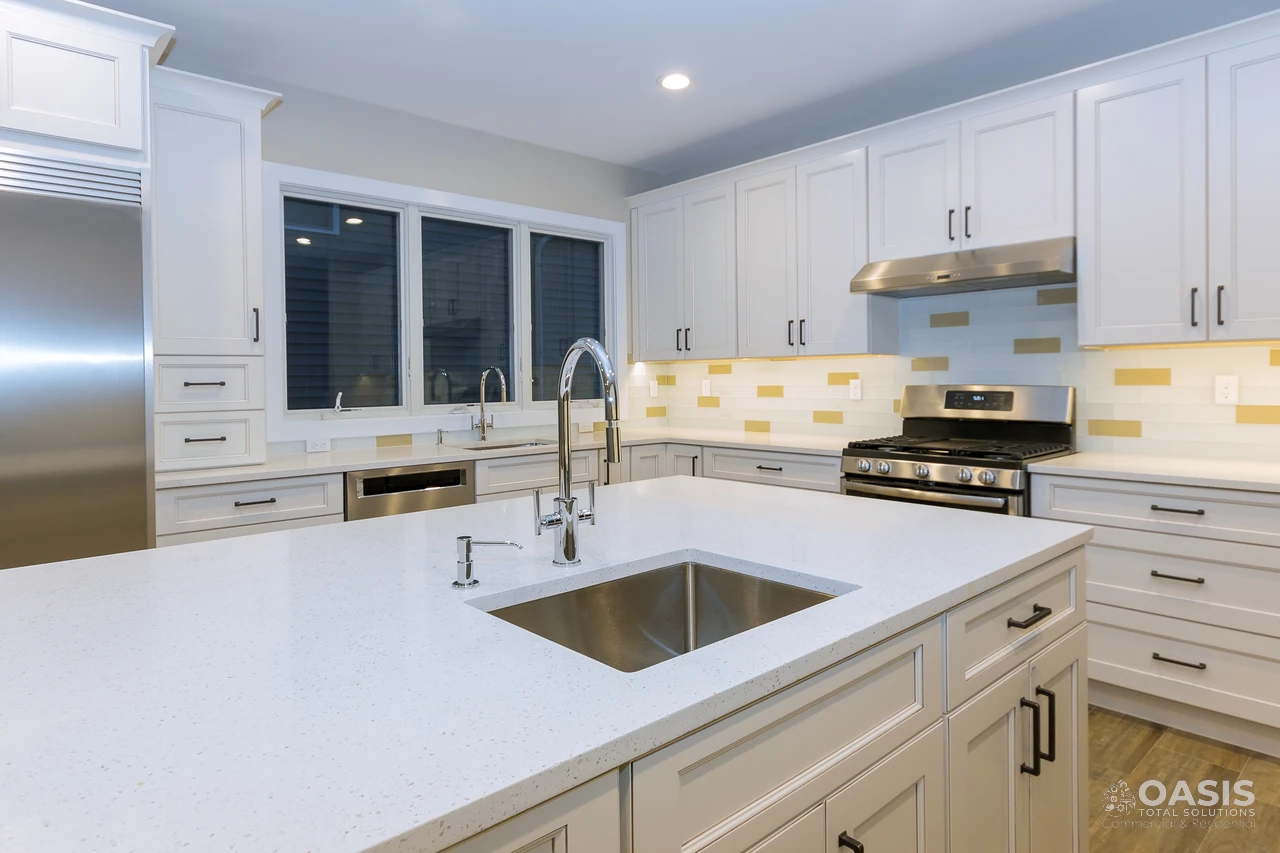
- Choose kitchen first when cabinets, counters, flooring, appliance areas, lighting, or layout are limiting daily use or rental appeal.
- Choose bathroom first when there are leaks, weak ventilation, tile failure, fixture issues, soft flooring, or a room that blocks occupancy.
- Choose flooring first when connected rooms need one consistent surface, the existing floor is damaged, or a tenant turnover needs a clean reset.
- Choose repairs first when small fixes are blocking larger work: doors, trim, drywall patches, caulk, railing, hardware, or exterior defects.
3) What to include in the estimate request
A better estimate starts with clearer scope inputs. You do not need architectural drawings for every project, but a few details help route the work faster.
- Property type: primary home, rental unit, multifamily property, sale prep, or occupied renovation.
- Rooms involved: kitchen, bathroom, bedrooms, hallways, basement, entry, exterior, or connected areas.
- Must-fix issues: damage, leaks, loose materials, broken fixtures, safety concerns, worn flooring, or tenant complaints.
- Desired outcome: repair, refresh, partial remodel, full remodel, rental turnover, or prepare for sale.
- Timeline: ASAP, this month, before move-in, before listing, or planning phase.
- Photos: wide room shots plus close-ups of damage, transitions, fixtures, cabinets, flooring, and access constraints.
4) How Oasis connects the residential service pages
The new residential pages are strongest when they work together instead of competing with each other. Use the page that matches the main problem, then let the written scope pull in related trades as needed.
| If the main problem is... | Start here | Often connected with |
|---|---|---|
| Several residential improvements across rooms | Home Improvement Contractor | Renovation, handyman repairs, flooring, painting, carpentry, final cleanup. |
| Cabinets, counters, layout, backsplash, appliance-area updates | Kitchen Remodeling | Flooring, painting, drywall, trim, cabinet/carpentry work. |
| Shower/tub area, vanity, tile, bathroom floor, fixture replacement | Bathroom Remodeling | Drywall, painting, flooring, plumbing coordination, ventilation notes. |
| Worn, damaged, mismatched, or turnover-ready floors | Flooring Installation | Trim, transitions, painting touch-ups, removal, furniture/access planning. |
5) Rental properties need a different priority order
For landlords and investors, the right first project is often the one that reduces vacancy time or repeated maintenance calls. Prioritize durable surfaces, clear closeout, and faster turnover over highly custom finishes.
- First: safety, water, entry, locks, railings, bathroom function, and any occupancy-blocking repair.
- Second: flooring, paint, fixtures, cabinets, and high-wear surfaces that drive tenant perception.
- Third: cosmetic upgrades that improve photos, showings, or resale value without delaying move-in.
- Closeout: final walkthrough, punch-list corrections, and cleaning so the unit is ready for the next occupant.
FAQ
What home improvement project should I do first?
Start with safety, water intrusion, active damage, or functional problems first. After that, prioritize projects that affect daily use, resale readiness, rental turnover, or multiple rooms at once.
Should I remodel the kitchen or bathroom first?
Choose the room with the bigger functional problem first. Kitchens usually affect daily living and rental marketability; bathrooms should move first when leaks, ventilation, tile failure, or fixture issues are present.
When should flooring be done during a home improvement project?
Flooring is usually scheduled after dusty demolition, drywall, and major painting, but before final trim touch-ups and closeout. The exact timing depends on material, room access, and whether the home is occupied.
Can one contractor coordinate several home improvement services?
Yes. A coordinated scope can combine renovation, flooring, painting, carpentry, handyman repairs, and final cleanup under one plan so sequencing and handoff are clearer.
What should I prepare before requesting a home improvement estimate?
Prepare photos, city or ZIP code, project goals, must-fix problems, desired timeline, occupancy status, and any known constraints such as tenant move-in dates, access limits, pets, or preferred work windows.
Does Oasis work with landlords and rental-property owners?
Yes. Oasis supports homeowners, landlords, investors, and rental-property owners with renovations, repairs, flooring, painting, turnover improvements, and related residential property work.
Home improvement service areas
Oasis supports residential home improvement projects across Massachusetts and Connecticut, including owner-occupied homes, rental properties, and residential investment properties.
- Central MA: Worcester, Dudley, Auburn, Sturbridge, Marlborough, Framingham, and MetroWest areas.
- Greater Boston: Boston, Cambridge, Quincy, Waltham, Burlington, and nearby residential markets.
- Connecticut: Hartford, New Haven, Waterbury, Bridgeport, Stamford, and surrounding corridors.
Related: Home Improvement · Kitchen Remodeling · Bathroom Remodeling · Flooring Installation · Handyman and Repairs