Handyman services · Massachusetts + Connecticut

Small repairs.
A clearer plan.

The door that catches. The trim that needs attention. The list that keeps growing. Oasis helps homes and commercial properties turn those details into a defined repair scope.

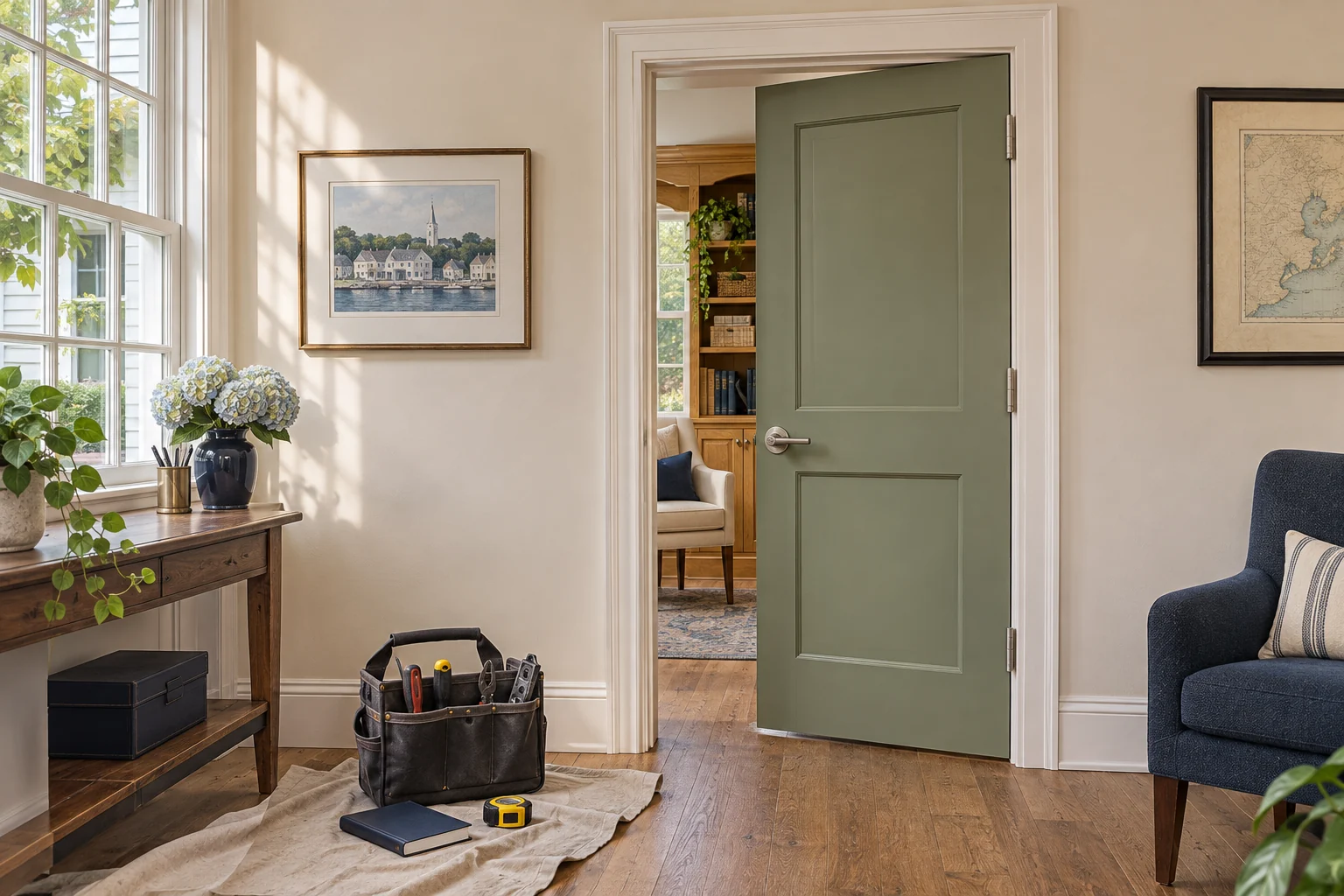
Sage office door, white trim and a tool tote on a protective drop cloth

Practical repairsDoors, finishes, fixtures & punch lists.

A defined scopeTasks, materials & responsibilities.

The right next stepHome estimate or commercial walkthrough.

A better first conversation

Show us the detail.
We can discuss the next step.

You do not need to diagnose the problem. Start with what you notice. Use this guide to prepare useful photos and a few clear notes.

Doors & hardware

01 / 04
  1. Show the whole opening

    Photograph the door, frame, and threshold from a safe standing position.

  2. Show the trouble spot

    Include the latch, strike, hinge, or area where the door catches. Keep the hardware in place.

  3. Add a useful reference

    Note the number of doors and any visible model or finish. Describe when it sticks or fails to latch.

Tell us what happensDoes it rub, sag, rattle, or fail to latch? Tell us whether the issue is new and which rooms are affected.

What may change the scopeFrame movement, damaged components, specialty or fire-rated hardware, and access systems may require a different scope.

Walls, trim & finishes

02 / 04
  1. Show the surrounding area

    Include the full wall or trim section and nearby flooring or fixtures.

  2. Show the surface condition

    Take a clear close-up of the hole, loose trim, joint, or damaged finish without disturbing it.

  3. Add size & finish details

    Give approximate dimensions and share any paint label, trim profile, or material reference you have.

Tell us what happensMark each room, the number of repair spots, and whether you want a local touch-up or a larger finished area.

What may change the scopeMoisture, recurring cracks, hidden damage, or an unavailable finish need review before a cosmetic repair is planned.

Cabinets, shelving & mounting

03 / 04
  1. Show the installation area

    Photograph the full cabinet or wall area, including nearby outlets, edges, and obstructions.

  2. Show the parts involved

    Include the loose hinge, slide, bracket, or item to be installed. Do not remove covers or dismantle hardware.

  3. Add product information

    Share dimensions, weight, model, and available hardware for the item. Note who will supply the materials.

Tell us what happensDescribe what is loose or misaligned, or where the item should go. Include quantities and preferred placement.

What may change the scopeWall construction, suitable fixings, concealed services, damaged panels, and product compatibility affect the installation plan.

Room-by-room punch list

04 / 04
  1. Start with the location

    Take one wider photo of each room or area and label it in your own notes.

  2. Give each repair an item

    Photograph each concern separately and use a simple item number in your list.

  3. Set the priorities

    Note quantities, dimensions where useful, your preferred timing, and anything that must be addressed first.

Tell us what happensInclude vacancy or occupied hours, access arrangements, and who approves the work. Keep urgent concerns clearly identified.

What may change the scopeSeveral trades, separate locations, drying time, material lead times, and hidden conditions may require more than one visit.

Take photos only from a safe, accessible position. Avoid people and private documents. Keep your list handy for the request; choosing a guide does not submit or attach anything.

Choose your request

Estimate

One list. The right starting point.

A home repair and an occupied commercial property need different conversations. Choose the route that fits your location.

For your home

Make the everyday work better.

Bring the small repairs, adjustments, and installations you want to address in your home or residential rental.

  • Group the list by room and note your priorities.
  • Include photos, quantities, and any material references.
  • Share access arrangements and preferred timing.
Request a home repair estimate Planning a larger home improvement?

For your property

Keep the repair list organized.

Plan facility fixes, tenant-turnover items, and small improvements around the way your building operates.

  • Identify areas, quantities, and operational priorities.
  • Note occupied hours, site rules, and access restrictions.
  • Name the person approving the work and changes.
Plan a repair walkthrough Explore commercial property services
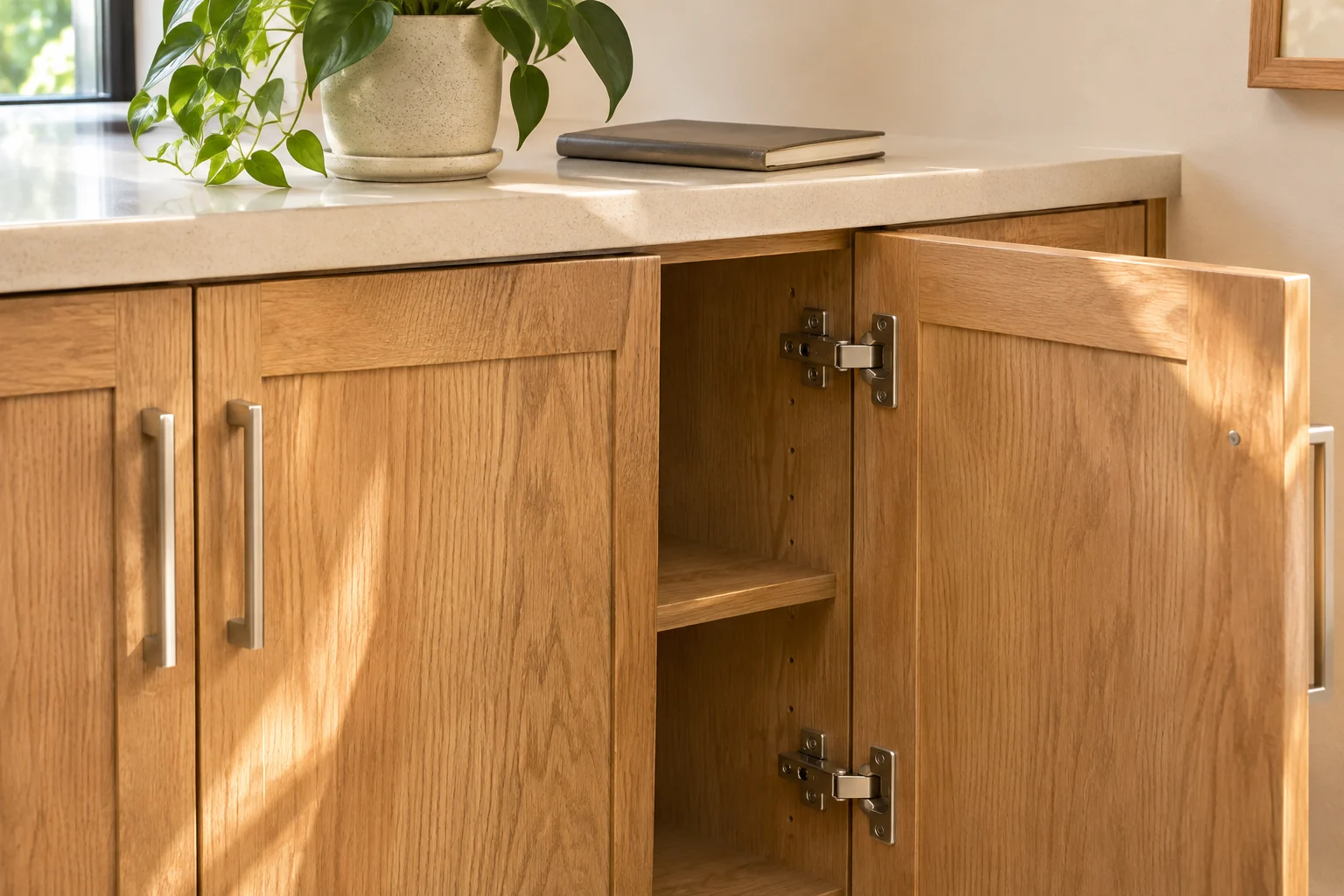
Oak cabinet with an open door showing its hinges and hardware

The details in the scope

A good repair starts
with the right questions.

What needs adjusting, what needs replacing, and what belongs in a separate project? That distinction helps make the estimate useful.

  • Doors & hardwareLatch and strike alignment, hinge or closer adjustments, sweeps, thresholds, and weatherstripping, subject to the door and hardware involved.
  • Walls & finishesSmall drywall patches, trim attachment, caulking, and paint touch-ups, with condition and finish matching reviewed first.
  • Cabinets & installationsCabinet hinges and slides, shelves, mirrors, whiteboards, signs, accessories, and mounting with suitable support and fixings.

Electrical, plumbing, structural, and other specialist work needs separate review. Confirm qualifications, permits where applicable, and responsibilities before including it in the scope.

From a list to an agreed scope

Know what happens next.

  1. 01 / Describe

    Bring the list.

    Share the city, property type, tasks, photos you have, and preferred timing. A clear list makes the initial review more useful.

  2. 02 / Define

    Confirm the details.

    Review site conditions, materials, access, protection, debris handling, and exclusions. Agree on pricing and who approves changes before work is scheduled.

  3. 03 / Review

    Check the agreed work.

    Use the approved task list to review completion and any remaining items. Confirm the handoff contact and any documentation needed for your property.

Before you reach out

Clear answers.
Fewer surprises.

Bring the questions that affect your scope, materials, access, and budget.

What handyman work can I ask Oasis to review?

Door and hardware adjustments, small drywall repairs, trim, caulking, paint touch-ups, cabinet hardware, shelving, mounting, and property punch lists are useful starting points. Share the condition, location, and desired result so the tasks and any exclusions can be confirmed.

Can I combine several small repairs in one request?

Yes. List each item by room or location, add photos where possible, and mark your priorities. Access, materials, drying time, and any specialist work affect whether the tasks can be grouped into one visit.

How is the price determined? Is there a minimum charge?

Pricing depends on the tasks, quantities, site conditions, access, materials, and required labor. Ask Oasis to confirm the estimate, any minimum service charge, material purchasing, and approval process before scheduling. This page does not set a fixed rate or minimum.

Can you match existing paint, texture, or trim?

Existing paint colors, textures, and trim profiles should be reviewed before the scope is agreed. Keep any paint labels or material references you have. Age, fading, product availability, and prior repairs can make an exact match impractical; a larger finish area may need to be discussed.

Who provides materials and hardware?

Confirm who purchases each item before work is scheduled. If you supply materials, share the model, dimensions, finish, and quantities so compatibility and missing parts can be reviewed. Purchasing, delivery, and disposal responsibilities belong in the written scope.

Does handyman service include electrical, plumbing, or structural work?

Those requests need a separate review. Work involving regulated trades, permits, structural changes, or specialized building systems is not assumed to be included in a general handyman scope. The appropriate qualifications, responsibilities, and approvals must be confirmed before it is accepted.

Can work be planned around tenants or business hours?

Share occupied hours, tenant coordination, access rules, noise restrictions, and your preferred timing. Scheduling and availability are confirmed after review; submitting a request does not reserve a visit or establish an emergency response time.

What should I include in my first request?

Include the property city, whether it is a home or commercial site, a room-by-room task list, photos or dimensions you already have, and preferred timing. Note who can approve the work and provide access. Take photos only from a safe, accessible position.

Useful next steps

Explore what fits your property.

Repair planning & pricing guides

Use these guides to prepare questions. Your property conditions and approved estimate determine the actual scope, price, and schedule.

Related services & property types
Handyman service areas in Massachusetts & Connecticut

Oasis serves listed communities in Massachusetts and Connecticut. Share the property address and requested work to confirm coverage and availability.

Let's bring the list into focus

Ready to plan your repairs?

Start with the property, the work you have in mind, and your preferred timing. Oasis will review the request and determine the appropriate next step.

Call OasisPlan your repairs